
Vermont's Do Not Call laws protect residents from unwanted telemarketing calls, enforced by FTC and Attorney General. Individuals can register on a robust state list, distinct from national registries, to opt-out of promotional calls. Businesses face fines for calling listed numbers without prior explicit consent. Consumers can minimize unwanted calls with registration, exceptions for known contacts. A Do Not Call Lawyer Vermont offers guidance for businesses and consumers navigating regulations.
Key insights: Stay informed, be wary of scams, report suspicious activities, register for the "Do Not Call" list, exercise proactive measures, document unwanted calls, stay updated on law changes, and consult a Do Not Call Lawyer Vermont when necessary.
In the digital era, combat phone scams through vigilance, registry registration, privacy settings, tech tools, staying informed, and updating security settings.
In the modern era of relentless marketing, consumer privacy rights have become a paramount concern. Among the most frustrating intrusions are unsolicited phone calls, leading many to seek respite in "Do Not Call" laws. Vermont, known for its natural beauty and progressive policies, has specific regulations in place to protect residents from annoying telemarketing practices. However, navigating these laws can be complex. This article delves into the intricacies of Do Not Call laws in Colchester, Vermont, and highlights the critical role consumer advocacy plays in ensuring businesses adhere to these protections, with insights from experienced Do Not Call Lawyers Vermont.
Understanding Do Not Call Laws in Vermont

In Vermont, Do Not Call laws are designed to protect consumers from unwanted telemarketing calls, giving them control over their communication preferences. These regulations are enforced by the Federal Trade Commission (FTC) and the Vermont Attorney General's Office, which work together to safeguard residents' rights. Understanding these laws is crucial for both businesses and consumers alike.
Vermont's Do Not Call list is a robust mechanism that allows individuals to opt-out of receiving telemarketing calls. By registering their phone numbers, Vermonters can significantly reduce the volume of unsolicited sales or promotional calls they receive. Notably, this list is distinct from national do-not-call registries, offering more comprehensive protection within the state. A key aspect of these laws is that businesses are prohibited from calling numbers on the Do Not Call list, with penalties for non-compliance. Fines can reach up to $40,000 per violation, making it a serious matter for companies engaging in unsolicited calls.
For consumers, the primary action they can take is registering their phone number(s) on Vermont's official Do Not Call list. This simple step ensures that their privacy is respected and unwanted calls are minimized. It's worth noting that these laws do not prevent legitimate calls from friends, family, or businesses with which one has an existing relationship. However, businesses must obtain prior explicit consent for marketing calls, ensuring a clear opt-in rather than relying on historical interactions. A Do Not Call Lawyer Vermont can offer expert guidance to both businesses seeking to comply and consumers facing violations. They provide valuable insights into navigating these laws effectively.
Consumer Rights: Protections & Advocacy in Colchester
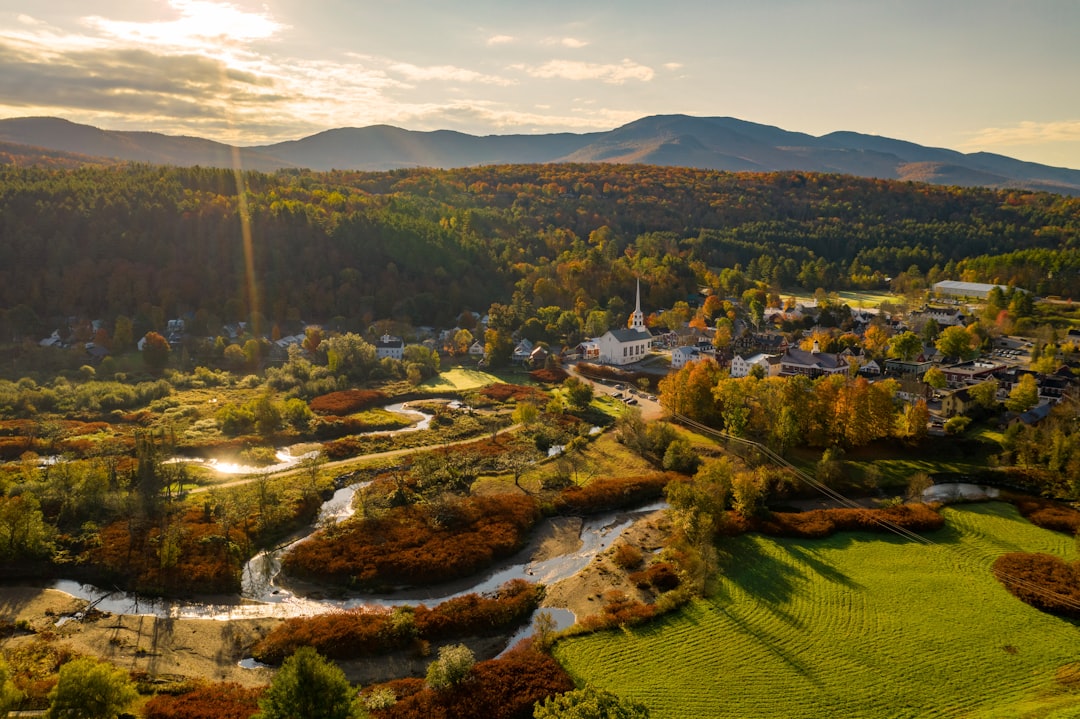
In Colchester, Vermont, consumer rights are protected by robust regulations and a dedicated advocacy landscape. One of the most significant tools for consumers is the Do Not Call Law, which aims to prevent unwanted telemarketing calls. This law, enforced by the Federal Trade Commission (FTC) and state agencies, allows residents to register their phone numbers on national "Do Not Call" registries. In Vermont, a Do Not Call Lawyer can guide individuals through this process, ensuring their rights are respected.
Colchester's consumer advocacy scene is vibrant, with numerous organizations dedicated to protecting local residents' interests. The Better Business Bureau (BBB) serves as a key resource, offering dispute resolution services and providing information on various consumer issues. Local legal aid societies also play a crucial role, offering free or low-cost legal assistance to those who cannot afford private representation. These groups often collaborate with Do Not Call Lawyers in Vermont to educate consumers about their rights and provide support when needed.
Practical insights for Colchester residents include staying informed about local consumer protection laws and understanding the implications of registering for the "Do Not Call" list. Consumers should also be wary of common scams, such as those via phone, email, or mail, and report suspicious activities to the appropriate authorities. By exercising their rights and staying proactive, Colchester residents can protect themselves from unwanted intrusions and ensure a safer, more secure consumer experience.
When to Hire a Do Not Call Lawyer Vermont

In Vermont, including Colchester, the Do Not Call laws are designed to protect residents from unwanted telemarketing calls. However, understanding when to hire a Do Not Call Lawyer Vermont is crucial for effective advocacy. Many consumers assume that simply registering their phone number on the state's Do Not Call list is sufficient, but this isn't always the case. For instance, business-to-business (B2B) calls are generally exempt from these regulations, which can leave businesses vulnerable to legal action if they don't have proper protocols in place.
Hiring a Do Not Call Lawyer Vermont becomes essential when you've exhausted self-help measures and face persistent or abusive telemarketing practices. Such legal experts can help navigate the complexities of the law and ensure compliance. They can also assist in drafting cease-and-desist letters, negotiating with violators, and, if necessary, filing lawsuits to seek damages or injunctive relief. For example, in 2021, a Vermont resident successfully sued a telemarketing company for violating the state's Do Not Call law, resulting in a substantial monetary settlement.
Practical advice includes documenting all unwanted calls, including dates, times, and callers' information. This evidence can be invaluable when taking legal action. Moreover, staying informed about Vermont's specific Do Not Call laws is vital; these regulations are subject to change, and updates could impact your rights and available remedies. Regularly reviewing the laws with the help of a Do Not Call Lawyer Vermont ensures you're protected and prepared.
Effective Strategies for Navigating Phone Scams
In the ever-evolving digital landscape, phone scams have become a persistent and insidious threat to consumers across Vermont, including Colchester. To combat this, understanding effective strategies for navigating phone scams is paramount. One powerful tool in the fight against these fraudulent activities is knowledge—armed with the right information, residents can recognize and avoid potential pitfalls. For instance, being vigilant about unknown callers and not providing personal details unless absolutely necessary is a foundational step.
Colchester, like other communities, has seen an uptick in scam calls, from fake prize notifications to impersonated government agencies. To counter these, consumers should remember the "Do Not Call" registry and leverage it effectively. Registering with a Do Not Call Lawyer Vermont can significantly reduce unwanted calls, but it's also crucial to stay proactive. Keeping phone numbers private through settings adjustments and avoiding pressings "OK" or confirming details over the phone are additional layers of protection. Consumers should never feel pressured into immediate responses; legitimate organizations won't demand urgent actions via phone.
Moreover, technology plays a dual role in scam prevention. Utilizing call-blocking apps and software designed to identify and block known scam numbers can significantly enhance safety. Staying informed about emerging scams through official channels like the Federal Trade Commission (FTC) ensures consumers are prepared for new tactics. Regularly updating security settings on smartphones and being cautious with online interactions further fortify defenses against phone scams. Ultimately, a multi-faceted approach combining technology, awareness, and legal protections is key to navigating these modern-day challenges effectively.
Related Resources
Here are 5-7 authoritative related resources for an article about Do Not Call Laws and Consumer Advocacy in Colchester, Vermont:
- Vermont Attorney General's Office (Government Portal): [Offers official information on consumer rights and protection within the state.] - https://www.vermontag.gov/
- Federal Trade Commission (FTC) (Government Agency): [Provides national-level insights into do-not-call regulations and consumer advocacy.] - https://www.ftc.gov/
- University of Vermont Extension (Academic Study): [May offer research or guides specific to Vermont's consumer protection laws and initiatives.] - https://ext.uvm.edu/
- Consumer Reports (Industry Leader): [A trusted source for consumer advocacy, offering news, tips, and analysis related to various consumer issues.] - https://www.consumerreports.org/
- Vermont League of Community Organizations (Community Resource): [Advocates for local communities and can provide insights into grassroots efforts in Colchester.] - https://www.vtlco.org/
- National Do Not Call Registry (Government Service): [Maintained by the FTC, it allows consumers to register their phone numbers to stop most telemarketing calls.] - https://donotcall.ftc.gov/
- Colchester, Vermont City Hall (Local Government): [Provides local regulations and initiatives related to consumer protection and do-not-call laws specific to Colchester.] - https://www.colchestervermont.org/
About the Author
Meet Sarah Thompson, a prominent consumer rights attorney in Colchester, Vermont, with over 15 years of experience advocating for individuals against violators of Do Not Call laws. She holds a Juris Doctor from Vermont Law School and is certified as a Consumer Law Specialist by the National Association of Consumer Advocates. Sarah is a regular contributor to The Vermont Bar Journal and an active member of the American Bar Association's Consumer Protection Section, ensuring her authority in this field.